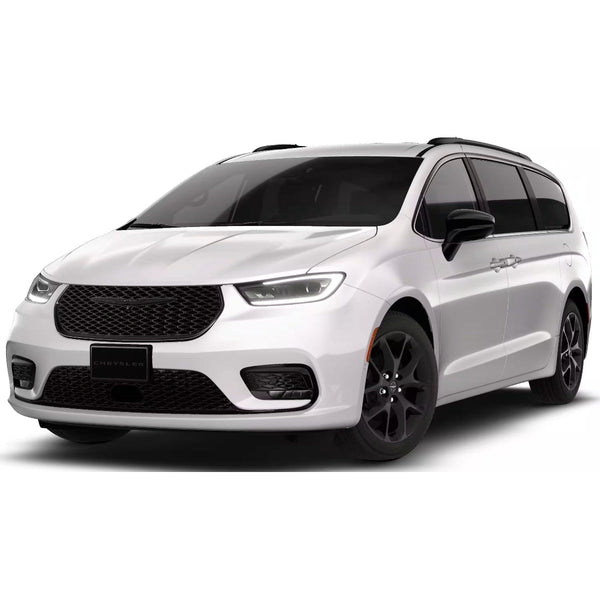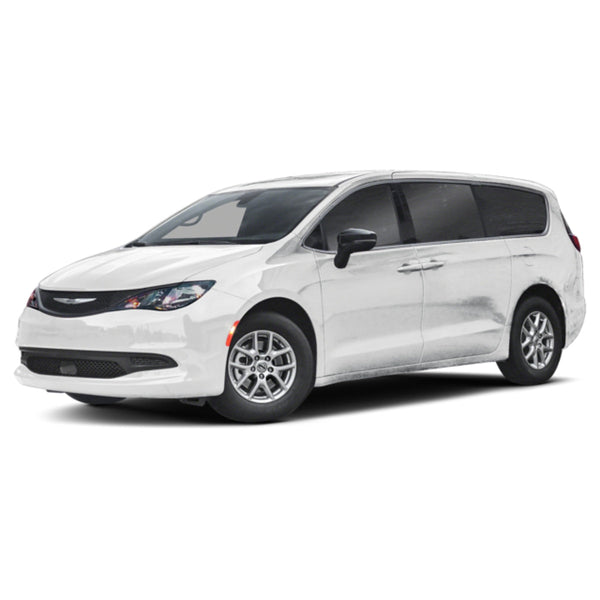
Collection: Chrysler Factory OEM wheels - 300, Voyager, Pacifica...

Chrysler has always occupied an interesting place in the American automotive landscape. It isn’t trying to be a high-volume economy brand, and it isn’t chasing European luxury badges either. Instead, Chrysler has traditionally focused on comfort, clean design, and a refined driving experience that feels distinctly American.

Whether you own a Chrysler 300 sedan or a Pacifica minivan, the wheels play a much bigger role in that experience than most people realize. They aren’t just there to hold tires. They influence ride comfort, steering feel, road noise, and even how the vehicle presents itself from across a parking lot.

When a wheel gets damaged or worn, choosing the correct OEM replacement is one of the easiest ways to keep your Chrysler driving and looking the way it was intended from the factory. This guide breaks down how Chrysler wheels have evolved, what sizes and styles are typical across models, and why sticking with the correct Factory specification matters more than it might seem.

Chrysler’s Design Philosophy and Where Wheels Fit In

Chrysler vehicles have always leaned toward smooth, substantial design. The 300, for example, carries a bold, squared-off presence. The Pacifica aims for clean, upscale practicality. Even older models like the Town & Country focused on quiet composure rather than aggressive styling.

The wheels are chosen to match that philosophy.

You won’t typically see extreme, oversized designs from the Factory. Instead, Chrysler tends to use:

  • Clean multi-spoke layouts
  • Refined split-spoke designs
  • Machined faces with painted pockets
  • Silver, charcoal, or polished finishes

The goal is balance. Wheels that look premium without overpowering the vehicle’s body lines.

When you replace a damaged wheel with the correct Original design, you preserve that balance. The vehicle continues to look cohesive instead of mismatched. 

Chrysler 300 OEM Wheels by Generation

The Chrysler 300 has been the brand’s flagship sedan for nearly two decades, and wheel sizing has evolved alongside its styling.

First Generation (2005-2010)

When the modern 300 debuted, it made a statement. Boxy, muscular, unmistakably American.

Factory wheel sizes typically included:

  • 17-inch alloy wheels on base trims
  • 18-inch wheels on mid-level trims
  • 20-inch wheels on higher trims and performance-oriented versions

The smaller wheels offered a more cushioned ride, especially with taller sidewalls. The 20-inch setups sharpened the look and improved steering response without completely sacrificing comfort.

Second Generation (2011-2023)

The redesign refined the styling and added more upscale detailing.

Common OEM sizes included:

  • 17-inch wheels on entry trims
  • 18-inch wheels as a balanced option
  • 19-inch and 20-inch wheels on higher trims

Designs became more sculpted and modern. Machined finishes became more common, and some trims featured darker, sport-oriented styling.

Throughout both generations, Chrysler kept fitment precise. Bolt patterns, offsets, and load ratings were tuned to the vehicle’s weight and suspension geometry. That’s why using the correct Replacement wheel matters, even small changes in offset can alter steering feel and ride quality.

Chrysler Pacifica OEM Wheels by Generation

The Pacifica represents Chrysler’s shift toward premium family transportation. It replaced the Town & Country and set a new benchmark for comfort in the minivan segment.

2017-Present Pacifica

Common Factory wheel sizes include:

  • 17-inch wheels on base trims
  • 18-inch wheels on mid and upper trims
  • 20-inch wheels on select premium trims

The 17-inch wheels prioritize ride comfort. They pair with higher-profile tires that absorb broken pavement and expansion joints more smoothly.

The 18-inch setup strikes a balance between comfort and appearance.

The 20-inch wheels add a more upscale presence and slightly sharper handling response, especially noticeable during highway driving.

Even on a family-focused vehicle like the Pacifica, the wheel choice significantly affects ride quality. Swapping to a non-OEM design that is heavier or incorrectly offset can subtly change how the van absorbs bumps or tracks at highway speeds.

Why OEM Wheels Matter on Chrysler Vehicles

Modern vehicles are carefully engineered systems. Chrysler vehicles, especially the 300 and Pacifica, are tuned around comfort and stability.

OEM wheels are built specifically for:

  • Exact hub-centric fitment
  • Proper offset to maintain suspension geometry
  • Correct brake caliper clearance
  • Appropriate load ratings for the vehicle

That hub-centric design is important. It ensures the wheel centers perfectly on the hub, reducing the chance of vibration.

When owners install generic wheels with oversized center bores and plastic hub rings, it can introduce minor vibration at highway speeds. It may not show up immediately, but it often appears over time.

Sticking with the Original specification removes that uncertainty. 

Ride Quality and Steering Feel

The Chrysler 300 is a relatively heavy sedan. The Pacifica carries even more weight, especially when loaded with passengers and cargo.

Wheel weight matters.

A significantly heavier wheel increases unsprung mass. That can:

  • Reduce suspension responsiveness
  • Increase harshness over sharp bumps
  • Slightly dull steering response

Factory wheels are selected to maintain the ride balance Chrysler engineered into the vehicle. If you appreciate how your Chrysler feels on the highway, stable, composed, quiet, OEM wheels help preserve that character.

Common Reasons Chrysler Owners Replace Wheels

Most drivers don’t think about their wheels until something happens. And when it does, it usually falls into one of these categories:

1. Road Damage

Potholes and rough pavement can damage a wheel even if the tire survives. You may notice vibration at certain speeds or feel a slight shimmy through the steering wheel.

Replacing the wheel with the correct OEM version restores proper balance and stability.

2. Cosmetic Damage

Curb rash is common, especially on polished or machined finishes. While some wheels can undergo minor repairs if needed, sometimes owners prefer replacing the wheel entirely to restore the vehicle’s appearance.

3. Corrosion

In regions with heavy winter salt use, wheel finishes can degrade over time. Once corrosion spreads beneath the clear coat, it’s often more practical to replace the wheel.

4. Upgrading Trim Appearance

Some Chrysler 300 owners move from 17-inch wheels to 20-inch Factory wheels from higher trims. This upgrade keeps the vehicle looking OEM while giving it a more premium presence.

5. Second Seasonal Set

Many Pacifica and 300 owners in colder climates purchase a second set of wheels for winter tires. Using OEM-spec wheels for the winter set keeps fitment correct and makes seasonal swaps easier.

OEM vs Aftermarket: A Practical Perspective

There are quality aftermarket wheels available. But there are also many that are built primarily around appearance and cost savings.

With aftermarket options, you often see:

  • Multi-fit bolt patterns
  • Generic center bores
  • Offsets chosen to fit multiple vehicles
  • Wide variation in manufacturing standards

That doesn’t automatically make them bad. But it does mean you need to be cautious.

OEM Chrysler wheels, on the other hand, are:

  • Built for your exact model
  • Tested for durability and corrosion resistance
  • Designed around brake and suspension geometry
  • Load-rated specifically for the vehicle

If your priority is restoring the vehicle to its intended condition, OEM remains the safest and most straightforward path.

Maintaining Resale Value

For vehicles like the Chrysler 300, originality matters in the resale market. Buyers often look for cars that appear unmodified and properly maintained.

A 300 sitting on mismatched wheels or questionable fitment can raise concerns. Correct Factory wheels reinforce the impression that the vehicle has been maintained carefully.

The same applies to the Pacifica. Families shopping for a used van often prefer a vehicle that looks stock and consistent.

Matching the Correct Year, Make, and Model

Chrysler wheel designs may look similar across years, but small differences can exist in:

  • Offset
  • Finish
  • Width
  • Brake clearance

Even within the same generation, certain trims may have unique specifications.

That’s why it’s important to confirm:

  • Exact year
  • Model (300 or Pacifica)
  • Trim level
  • Wheel diameter
  • Finish

Using the correct Year, Make, and Model match ensures proper bolt-up fitment and maintains the ride and handling Chrysler engineered into the vehicle.

Keeping Your Chrysler Feeling Like a Chrysler

What draws many owners to Chrysler is a certain feel. The quiet cabin. The smooth highway ride. The solid, confident steering response.

The wheels are part of that formula.

They may not be the first thing you think about, but they influence how the vehicle absorbs road imperfections, how it tracks at speed, and how it looks parked in your driveway.

When it’s time for a Replacement, choosing the correct OEM wheel keeps everything aligned, visually and mechanically. It restores not just the appearance, but the driving experience Chrysler intended from the start.

And for vehicles built around comfort and composure, that matters more than most people realize.

Chrysler OEM Wheel Fitment & Hub Specifications Directory

Master factory reference guide for genuine Chrysler alloy wheels. Compare platform bolt pattern break points (5x115, 5x127, 5x110), center bore hub dimensions, factory offset ranges, and wheel interchangeability across 300, Pacifica, Town & Country, and 200 models.

Primary Bolt Patterns 5x115 & 5x127 mm (5x5")
Main Sedan Hub 71.5 mm (M14x1.5)
Seat Type 60° Cone / Conical
Model / Series Year Range Bolt Pattern OEM Rim Sizes Center Bore Key Wheel Notes
Chrysler 300, 300C & 300S
2011–2023 (LD Series)
2005–2010 (LX Series)
5x115mm
5x115mm
17", 18", 19", 20"
17", 18", 20"
71.5 mm
71.5 mm
Shares LX platform with Dodge Charger/Challenger. RWD models run low/mid offsets (+18 to +24mm); AWD models run high offsets (+55mm).
Chrysler Pacifica & Voyager
2017–2026 (Pacifica / Voyager)
2004–2008 (Pacifica CUV)
5x127mm (5x5")
5x127mm (5x5")
17", 18", 20"
17", 19"
71.5 mm
71.5 mm
Modern Pacifica minivan runs heavy-duty 5x127mm bolt pattern with M14x1.5 hardware (shares platform specs with Jeep Grand Cherokee).
Chrysler Town & Country
2008–2016 (5th Gen)
2001–2007 (4th Gen)
1996–2000 (3rd Gen)
5x127mm (5x5")
5x114.3mm
5x114.3mm
16", 17"
15", 16"
15", 16"
71.5 mm
71.5 mm
71.5 mm
5th Gen redesign (2008+) switched to 5x127mm pattern with M12x1.5 lug nuts. Earlier minivans used compact 5x114.3mm pattern.
Chrysler 200 & Sebring
2015–2017 (200 Gen 2)
2011–2014 (200 Gen 1)
2007–2010 (Sebring)
5x110mm
5x114.3mm
5x114.3mm
17", 18", 19"
17", 18"
16", 17", 18"
65.1 mm
67.1 mm
67.1 mm
2nd Gen 200 (2015–2017) built on Alfa Romeo/Fiat CUSW platform utilizing 5x110mm pattern. Gen 1 used standard 5x114.3mm pattern.
Chrysler Aspen SUV 2007–2009 (1st Gen) 5x139.7mm (5x5.5") 18", 20" 77.8 mm Built on Dodge Durango truck chassis; uses 5x139.7mm 5-lug truck pattern with 9/16"-18 lug nuts.
Chrysler Crossfire 2004–2008 (1st Gen) 5x112mm 18"/19" (Staggered) 66.6 mm Built on Mercedes-Benz R170 SLK platform; uses staggered 18" front / 19" rear wheels with 5x112mm pattern and lug bolts.
Chrysler PT Cruiser 2001–2010 (1st Gen) 5x100mm 15", 16", 17" 57.1 mm Compact platform shares 5x100mm bolt pattern and 57.1mm hub with Dodge Neon and early VW models.
Chrysler 300 Series (2005–2023)
300 & 300C / 300S
(Full-Size RWD / AWD Sedan)
2005–2023 5x115mm (All Years) 17" to 20" 71.5mm (All Years) LX platform standard. Note offset difference: RWD models use +18mm to +24mm offsets; AWD models require +55mm high offsets.
Chrysler Minivans (Pacifica, Voyager, Town & Country)
Minivan Family
(Pacifica, Voyager, Town & Country)
1996–2026 5x127mm (2008–2026)
5x114.3mm (1996–2007)
15" to 20" 71.5mm (All Years) Modern Pacifica and 2008+ Town & Country use 5x127mm (5x5") pattern. Cross-compatible with Dodge Grand Caravan and Durango.
Chrysler 200 & Sebring (2007–2017)
Midsize Sedans
(Chrysler 200 & Sebring)
2007–2017 5x110mm (2015–2017 Gen 2)
5x114.3mm (2007–2014 Gen 1)
16" to 19" 65.1mm (Gen 2)
67.1mm (Gen 1)
2nd Gen 200 (2015+) switched to Fiat CUSW architecture with 5x110mm bolt pattern; 1st Gen models use standard 5x114.3mm.
Chrysler Specialty Models (Aspen, Crossfire, PT Cruiser)
Specialty & Truck
(Aspen SUV, Crossfire Coupe, PT Cruiser)
2001–2010 5x139.7mm (Aspen SUV)
5x112mm (Crossfire)
5x100mm (PT Cruiser)
15" to 20" 77.8mm (Aspen)
66.6mm (Crossfire)
57.1mm (PT)
Aspen uses Dodge truck 5x139.7mm pattern. Crossfire is built on Mercedes SLK 5x112 chassis. PT Cruiser uses 5x100mm.
Technical Note on Chrysler OEM Wheel Compatibility: Chrysler factory wheels span several distinct platform architectures. Full-size sedans (Chrysler 300, 300C, 300S) run a 5x115mm bolt pattern with a 71.5mm center bore and M14x1.5 lug studs. Minivans and CUVs (Pacifica, Voyager, 2008–2016 Town & Country) utilize Chrysler's heavy-duty 5x127mm (5x5") bolt pattern with a 71.5mm center bore. Compact models vary by generation: 2nd Gen Chrysler 200 (2015–2017) uses a 5x110mm pattern, PT Cruisers use 5x100mm, and the Mercedes-derived Crossfire coupe uses 5x112mm.

FLW - Quick Questions

Are these wheels guaranteed to fit my vehicle?

Yes. We catalog every wheel in our directory by its original factory specifications. As long as you select the year and model that matches your vehicle, we guarantee 100% fitment compatibility with your original hub, suspension, and braking system.

Do these wheels come with a warranty?

Yes. Every wheel we sell is backed by our Lifetime Finish Warranty. This protects your investment against any structural peeling or bubbling of the face finish for as long as you own the vehicle. We also offer a 30-day return policy to ensure you are 100% satisfied with the rim quality.

Can I reuse my original center caps and lug nuts?

Absolutely. One of the primary benefits of staying with Genuine OEM wheels is hardware compatibility. Your original factory center caps, lug nuts, and TPMS (Tire Pressure Monitoring System) sensors will transfer directly to these replacement rims with no adapters or "tuner lugs" required.