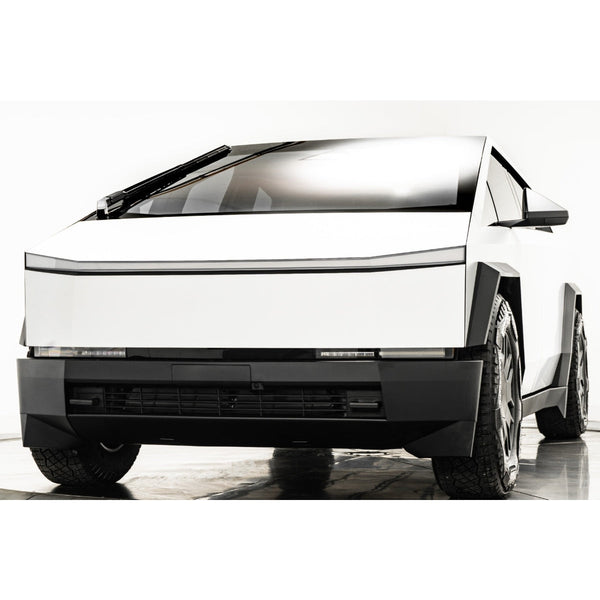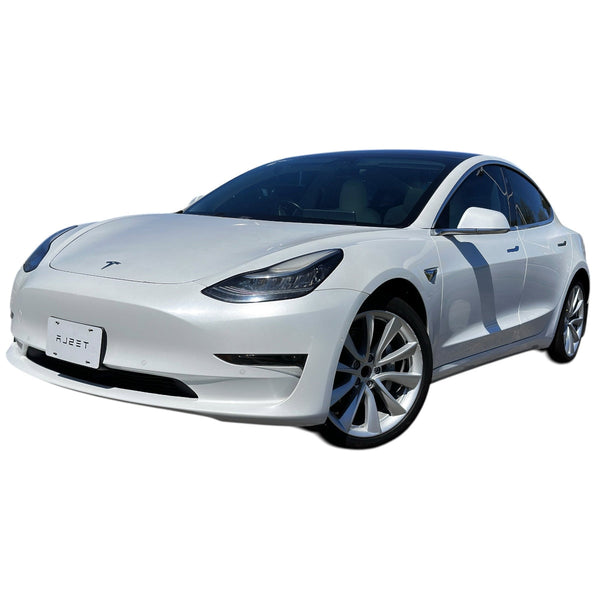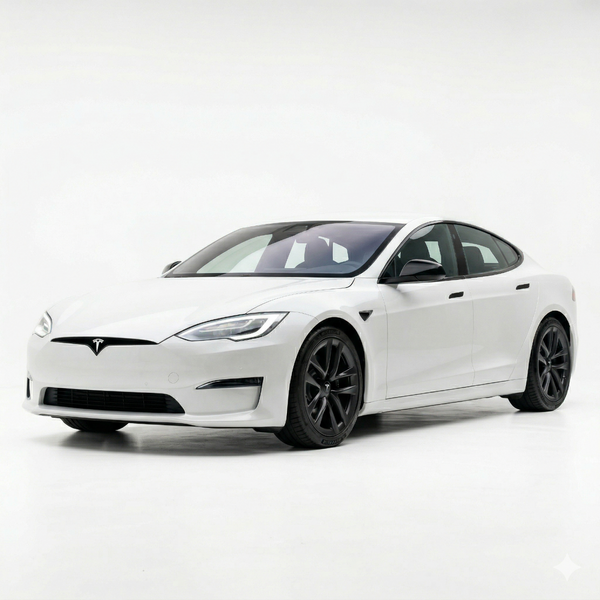
Collection: Tesla Genuine OEM Wheels - Model S, Model 3, Cybertruck


Tesla doesn’t build cars the same way most manufacturers do. From the way they design their interiors to how they approach performance and efficiency, everything feels a little more intentional, a little more integrated.

That same thinking carries over to the wheels.

On a Tesla, wheels aren’t just there to hold tires or complete the look. They directly affect how the car drives, how far it can go on a charge, and even how quiet and smooth it feels on the road. That’s something a lot of new owners don’t fully realize until they experience a difference.

Whether you’re driving a Model 3, Model Y, Model S, or Model X, the factory wheels are part of a carefully balanced system. And when it’s time to replace one, upgrade, or build a second set, understanding how Tesla approaches OEM wheels makes a big difference.  Finish Line Wheels specializes in Factory OEM Wheels at awesome wholesale pricing.  

How Tesla Designs Wheels Across Its Lineup

One thing you’ll notice quickly with Tesla is consistency. Even though the vehicles vary in size and purpose, the philosophy behind the wheels stays the same.

Tesla typically offers a few standard wheel sizes depending on the model:

  • Smaller wheels focused on efficiency and comfort
  • Mid-size wheels balancing range and appearance
  • Larger wheels designed for performance and handling

For example:

  • Model 3 and Model Y commonly come with 18", 19", or 20" wheels
  • Model S and Model X often use 19", 20", or even 21" wheels

But these sizes aren’t just cosmetic upgrades. Each one changes how the car behaves.

Tesla engineers the wheels alongside the suspension, braking system, and software. That means:

  • Offsets are precisely calculated
  • Center bores are hub-centric for perfect fitment
  • Load ratings match the weight of the vehicle
  • Wheel weight is carefully managed to support efficiency

Unlike traditional cars, where wheels are often treated as interchangeable styling pieces, Tesla treats them as part of the vehicle’s performance system.

Design Philosophy: Clean, Functional, and Aerodynamic

Tesla’s design language is easy to recognize. It’s minimal, modern, and avoids unnecessary complexity.

That approach shows clearly in the wheels.

Across all Tesla models, OEM wheels tend to feature:

  • Simple multi-spoke or turbine-inspired designs
  • Smooth surfaces that reduce airflow disruption
  • Neutral finishes like silver, gray, or dark metallic tones

One of the most recognizable features is the aero-style wheel design, especially on Model 3 and Model Y. These wheels often come with removable covers that improve aerodynamics.

At first glance, they may look basic but they’re doing real work.

By reducing drag, these designs help extend driving range. And on an electric vehicle, that matters more than most people expect.

Even on larger wheels for Model S and Model X, Tesla avoids overly aggressive or complicated designs. The goal is to complement the car, not overpower it.

How Tesla OEM Wheels Affect Performance and Range

This is where Tesla differs the most from traditional brands.

On a gas-powered car, changing wheels might slightly affect ride quality or handling. On a Tesla, it can also affect efficiency, sometimes noticeably.

1. Driving Range

Heavier wheels or less aerodynamic designs can reduce how far the car travels on a charge.

That’s why Tesla’s OEM wheels are often optimized for:

  • Low rolling resistance
  • Reduced aerodynamic drag
  • Balanced weight distribution

Even a small change can impact real-world range.

2. Ride Quality

Smaller wheels with higher-profile tires:

  • Absorb bumps better
  • Provide a smoother ride
  • Reduce road noise

Larger wheels with lower-profile tires:

  • Feel firmer
  • Offer sharper handling
  • Transmit more road feedback

Tesla gives owners options, but each one comes with trade-offs.

3. Acceleration and Responsiveness

Because Tesla vehicles deliver instant torque, wheel weight becomes more noticeable.

Lighter OEM wheels help:

  • Improve acceleration feel
  • Maintain efficiency
  • Keep the car responsive

Heavier aftermarket wheels can dull that responsiveness slightly.

4. Noise and Comfort

Electric vehicles are naturally quiet, which means road noise becomes more noticeable.

OEM wheels are designed to:

  • Minimize vibration
  • Reduce harshness over uneven surfaces
  • Maintain a quiet cabin experience

Generational Evolution of Tesla Wheels

Tesla doesn’t follow traditional redesign cycles, but its wheel designs have evolved over time.

Early Tesla Models

  • Simpler designs focused on durability
  • Less emphasis on aerodynamics
  • More traditional alloy wheel styling

Mid Evolution (Model 3 / Model Y Launch Era)

  • Introduction of aero wheel covers
  • Strong focus on efficiency
  • Cleaner, more modern styling

Recent Updates (Including Refresh Models)

  • Improved aerodynamic shaping
  • Subtle design refinements
  • Better balance between style and efficiency

The biggest shift has been toward efficiency. Tesla continues to refine how wheels contribute to overall performance, especially in terms of range.

Why OEM Wheels Matter More on Tesla

With Tesla vehicles, everything is connected, and the wheels sit right in the middle of that system.

Precision Fitment

OEM Tesla wheels are:

  • Hub-centric
  • Designed with exact offsets
  • Built for specific models and trims

This reduces the chances of vibration or improper alignment.

Integration with Vehicle Systems

Tesla’s systems, including traction control and stability management, rely on consistent wheel behavior.

Using the correct OEM wheels ensures:

  • Predictable handling
  • Proper sensor function
  • Balanced performance

Structural Strength and Load Rating

Tesla vehicles are heavier than many traditional cars due to battery packs.

Factory wheels are designed to handle that weight safely over time.

Long-Term Reliability

OEM wheels are tested for:

  • Impact resistance
  • Corrosion protection
  • Daily driving conditions

This reduces long-term issues compared to lower-quality alternatives.

Common Reasons Tesla Owners Replace Wheels

Even with high-quality factory wheels, real-world driving leads to wear and damage.

Here are the most common situations:

Pothole Impacts

Low-profile tires, especially on larger wheels, increase the risk of damage from rough roads.

Curb Rash

Very common with Tesla wheels due to their design and tire fitment.

Cosmetic Wear

Over time, finishes can fade or get scratched, leading owners to replace rather than repair.

Upgrading Wheel Size

Some drivers move to larger wheels for a more aggressive look.

Aftermarket Issues

Cars purchased with aftermarket wheels sometimes develop:

  • Vibration
  • Uneven tire wear
  • Reduced efficiency

Switching back to OEM wheels often resolves these problems.

Winter and Secondary Wheel Sets

Many Tesla owners choose to run a second set of wheels for seasonal use.

Why It Helps

  • Avoids frequent tire mounting
  • Protects original wheels
  • Improves performance in specific conditions

Common Setup

  • Smaller wheels for winter
  • Tires with more sidewall for better traction

Using OEM or factory-spec wheels ensures the car still drives properly, even in different conditions.

OEM vs Aftermarket Wheels for Tesla

There’s nothing wrong with aftermarket wheels, but the difference comes down to priorities.

Aftermarket Wheels

Pros:

  • Unique designs
  • Custom styling
  • Potential weight savings (high-end brands)

Cons:

  • Inconsistent quality
  • Possible fitment issues
  • Impact on range and ride quality

OEM Tesla Wheels

Pros:

  • Perfect fitment
  • Consistent performance
  • Designed for efficiency

Cons:

  • Less design variety
  • Typically, more conservative styling

For most owners, OEM wheels offer peace of mind, especially if maintaining the original driving experience is important.

Keeping Your Tesla Driving the Way It Should

One of the things Tesla gets right is how everything works together.

The acceleration, the quiet cabin, the smooth ride, it all feels intentional.

The wheels are a big part of that.

When they’re correct, the car feels effortless. When they’re not, small issues start to show up:

  • Slight vibration
  • Reduced range
  • A harsher ride

These aren’t always obvious at first, but over time they affect how enjoyable the car feels. 

Finding the Right Tesla OEM Wheel

If you’re replacing a wheel or building a new setup, the most important thing is matching it correctly.

That means:

  • Correct model (Model 3, Y, S, X)
  • Proper year
  • Matching trim level
  • Exact size and finish

Even small differences can change how the car performs.

This is where working with a trusted source matters. Finish Line Wheels specializes in OEM and factory wheels that are properly matched to your Tesla.

Whether you’re replacing a damaged rim or looking for a full set, getting the correct wheel ensures everything fits right and performs as expected.

And with a Tesla, keeping that original balance of performance, efficiency, and comfort is worth it.

Click vehicle models below for in-depth articles on Genuine OEM Rims. Each explores the history, changes, competition, trends, specs, tons of info... Identify the exact replacement wheel you need.

FLW - Quick Questions

Are these wheels guaranteed to fit my vehicle?

Yes. We catalog every wheel in our directory by its original factory specifications. As long as you select the year and model that matches your vehicle, we guarantee 100% fitment compatibility with your original hub, suspension, and braking system.

Do these wheels come with a warranty?

Yes. Every wheel we sell is backed by our Lifetime Finish Warranty. This protects your investment against any structural peeling or bubbling of the face finish for as long as you own the vehicle. We also offer a 30-day return policy to ensure you are 100% satisfied with the rim quality.

Can I reuse my original center caps and lug nuts?

Absolutely. One of the primary benefits of staying with Genuine OEM wheels is hardware compatibility. Your original factory center caps, lug nuts, and TPMS (Tire Pressure Monitoring System) sensors will transfer directly to these replacement rims with no adapters or "tuner lugs" required.